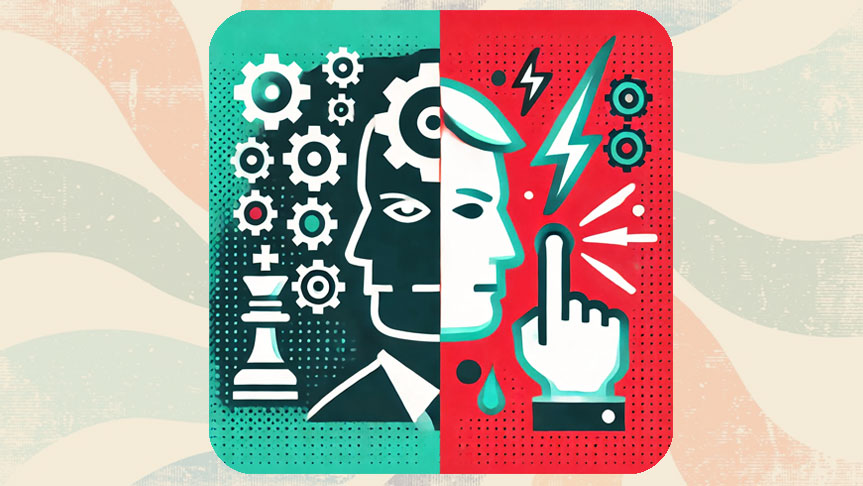
Humans often make impulsive decisions instead of strategic ones due to a variety of underlying factors. Emotional states such as stress, excitement, or anxiety can cloud judgment, pushing us to act hastily.
Additionally, cognitive biases—like the desire for immediate gratification—coupled with mental, biological, or situational influences can all interfere with our ability to think long-term. Past experiences and learned behaviours also play a significant role, as does a lack of information or unclear goals, which can further drive impulsive behaviour.
As spa managers, it is crucial to recognize these tendencies and consciously resist them. Strategic decision-making is vital to the spa’s overall success, efficiency, and reputation for consistent quality. Unlike impulsive decisions, which are often reactive and short-term, strategic decisions are thoughtful and aligned with long-term goals. They allow spa managers to address challenges proactively, ensuring the business thrives in a competitive environment.
To better understand the importance of this, let’s explore the key differences between impulsive and strategic decision-making, as well as the comparative advantages and disadvantages of each approach.
1. Impulsive Decision-Making: This method tends to be reactive, and driven by emotions or external pressure. While it may offer immediate satisfaction, it can lead to inconsistency and poor outcomes in the long run, affecting the quality of service and customer satisfaction.
Characteristics:
- Short-Term Focus: These decisions focus on immediate needs or opportunities, often ignoring the broader picture or long-term implications.
- Emotionally Driven: Impulse decisions are frequently made in response to competitor actions, seasonal trends, or client complaints, without proper data analysis.
- Lack of Planning: Decisions may lack thorough evaluation or a detailed strategy, leading to inconsistent service offerings or misallocation of resources.
- Reactive Nature: Often made in response to sudden changes in the market or internal pressures, these decisions tend to be reactionary rather than proactive
Example: Quickly adding a trending treatment, such as a celebrity-endorsed skincare procedure, without evaluating whether it fits with the spa’s target audience or brand identity.
Disadvantages:
- Higher Risk: Impulse decisions can lead to overspending, staff inefficiency, or a mismatch between services offered and client expectations.
- Inconsistent Service Quality: Rapid, unplanned changes in services or procedures can confuse staff and customers, leading to a drop in the overall guest experience.
- Resource Strain: Unplanned additions or changes can overburden staff, lead to improper use of equipment, and create financial strain from unnecessary investments.
2. Strategic Decision-Making: In contrast, strategic thinking involves careful planning, data analysis, and aligning choices with the spa’s goals. Though it may take more time and effort, strategic decisions ensure long-term stability, improved client experiences, and operational efficiency.
Characteristics:
- Customer-Centric Focus: Decisions are based on understanding target audience needs and preferences through surveys, feedback loops, and industry research.
- Long-Term Planning: Strategies like upgrading services, expanding facilities, or introducing wellness programs are implemented with the goal of future growth and profitability.
- Data-Driven: Strategic decisions leverage data such as customer demographics, profit margins, and market analysis to minimize risks and maximize return on investment.
- Resource Allocation: Careful planning of financial, human, and physical resources ensures efficient use, preventing wastage and over-extension.
- Example: Introducing a high-demand wellness service, such as holistic treatments or meditation sessions, after thorough market research and analysis of potential profitability.
Advantages:
- Sustainable Growth: Strategic decisions provide a roadmap for steady expansion and improvement, helping a spa to build a loyal client base.
- Competitive Edge: Proactively staying ahead of trends, customer preferences, and competitors strengthens the spa's market position.
- Efficiency: Resources are allocated wisely, reducing operational costs and maximizing staff efficiency and client satisfaction.
3. Comparing Strategic and Impulse Decisions in the Spa Industry
Long-Term Impact:
- Strategic Decisions foster growth and ensure consistency. For example, launching a new wellness program after evaluating market demand ensures the spa remains competitive and profitable.
- Impulse Decisions may provide short-term excitement or quick wins but can lead to missteps if the new service or product doesn’t align with long-term goals or client needs.
Operational Efficiency:
- Strategic Decisions maintain smooth operations by allowing adequate time for staff training, marketing, and resource allocation. This ensures new treatments or services are implemented without disruption.
- Impulse Decisions can create operational chaos, with staff feeling overwhelmed by unexpected changes or inadequate preparation for new procedures.
Customer Satisfaction:
- Strategic Decisions focus on enhancing the guest experience through careful planning and long-term value, resulting in higher client satisfaction and loyalty.
- Impulse Decisions may confuse customers or lead to inconsistent service, causing frustration and a decline in repeat business.
Conclusion
In the spa industry, strategic decisions are essential for maintaining quality service, efficient operations, and long-term success. While impulse decisions can occasionally bring quick benefits, they often introduce risks that may harm the spa’s reputation and profitability. Prioritizing strategic thinking helps spas stay competitive, adapt to market trends, and provide a consistently high level of service that keeps clients returning.
If you are wondering how to move from impulsive to strategic management of your spa, visit our course!