
From the Author's Desk
In recent years, the sauna has taken centre stage—sometimes hailed as essential, other times dismissed or misrepresented. In some circles, it has become a symbol of luxury or status; yet, its true worth is often either exaggerated or far too frequently ignored.
So, what's the real story?
We can speculate or hold beliefs, but belief alone doesn't lead to real benefit. To truly unlock what the sauna offers, we need understanding and to be grounded in knowledge, not just tradition or trends.
When I couldn't find a book that offered a clear, balanced, and science-based perspective, I decided to write one myself.
Beyond listing the benefits, I delved into what actually causes them—the underlying mechanisms of the body and the roots of those positive effects. I approached the topic not only from scientific angles but also through the lens of personal experience and self-observation, grounded in the ritual of sauna use.
I've done my best to keep technical language to a minimum and to explain complex ideas in simple terms. Still, a few sections may lean into more advanced territory, written with professionals in mind. But this book also carries a personal tone—my own journey with sauna and wellness. I've explored this subject deeply and wholeheartedly.
This is that book.
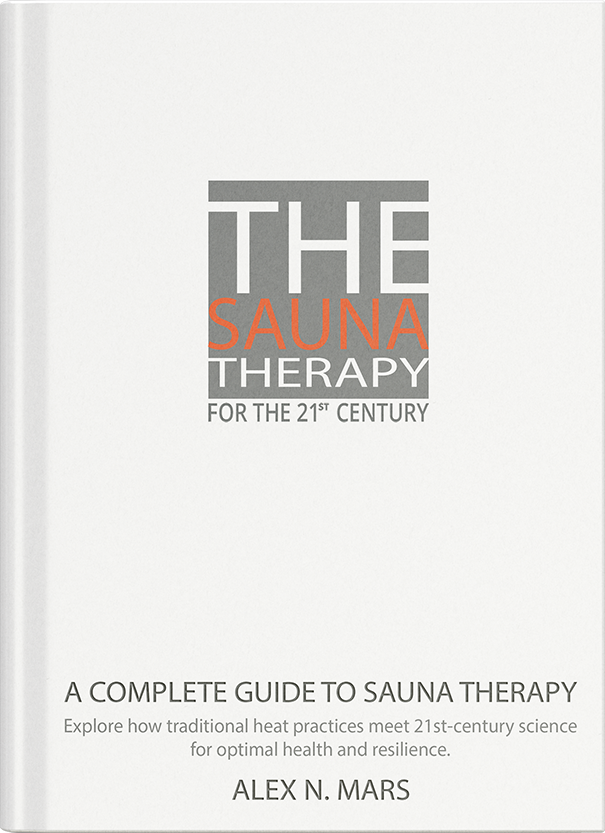
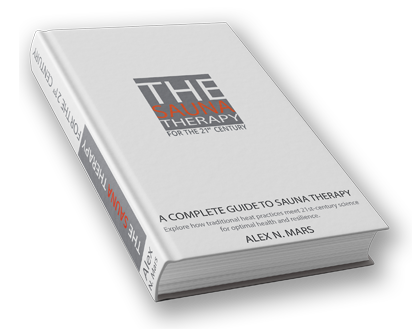
The Sauna Therapy for the 21st Century
The Sauna Therapy for the 21st Century masterfully unveils the cutting-edge science behind the timeless art of sauna bathing, presenting it as both a tradition and a contemporary wellness practice. The book thoroughly explores the use and benefits of saunas, and not only.
While the sauna serves as the central theme of this book, its insights will deepen your understanding of your body, reveal the true extent of your influence over your health, and show you how to harness the power of heat to your advantage.
The book encourages those who have never tried a sauna to experience it and understand its significance as a key element of a healthy lifestyle. Additionally, I hope this book encourages existing sauna users to incorporate sessions more frequently into their routines, as research consistently shows that the benefits of sauna use increase with greater frequency.
Above all, this book is intended for those whose professional lives revolve around the spa and sauna industry. For them, understanding the sauna's benefits and practices is not just a personal choice but a professional responsibility.
Are you wondering why?
Imagine if there were a pill that …
1. …offers deep relaxation and better sleep,
2. …enables more efficient detoxification,
3. …enhances muscle gain and fat loss,
4. …improve insulin sensitivity and reduce insulin resistance,
5. …makes healthier skin and faster skin rejuvenation,
6. …strengthens the Immune system,
7. …alleviate arthritic and other chronic pain,
8. …improves endurance and speeds up athletic recovery,
9. …increases cardiovascular health,
10. …enhance brain and mental health,
11. … extends longevity and slows ageing.
Some people would call it a Magic pill, or sceptics may call it snake oil. Yet all these benefits may be delivered by the simple but powerful health-promoting activity—yes, you guessed it—regular sauna bathing.
Overstatement?
251+
Years of research
644+
Peer-reviewed articles
5+
Years of dedicated work
......have led to a groundbreaking 436-page book encapsulating the' life-changing power of saunas. This isn't just a presentation—it's your gateway to transformation!
A little more about the book
The Sauna Therapy for the 21st Century combines centuries of tradition with the latest scientific breakthroughs to reimagine sauna bathing for today's world. This book reveals how strategic heat exposure can enhance physical, emotional, and mental well-being. Beyond a relaxation ritual, the sauna is reframed as a toolbox, and the real tool is heat. This practical and inspiring guide offers a fresh, science-backed approach to using saunas.
Whether you're curious about trying your first sauna session, looking to deepen your practice, or working in the spa, wellness, or hospitality industry, this book will expand your understanding — and your results. It's especially vital for spa professionals, who have the opportunity and the responsibility to guide others toward safe, effective sauna use. This book provides the knowledge and confidence needed to elevate your wellness and professional offerings. If you're ready to move beyond wellness trends and into evidence-based vitality, this book will show you how to harness the full potential of heat. This is more than a health book — it's a masterclass in awakening the body's inner intelligence. You'll never look at a sauna the same way again.
Table of Content
PART 1
Preface - A Story That Should Never Have Happened
What's Inside & for Whom
Introduction
PART 2
Ten Important Facts and Phenomena
1. It starts with understanding
2. The Idea Is Not New
3. This Is Not a Sauna!
4. Heat Is the Tool
5. Homeostasis: Essential Biological Principle
6. Body Temperature
7. Behavioural Thermoregulation: Understanding Our Fear of Heat
8. Stress Is Good - How Sauna Exploits Biology
9. Persistence and Constancy Are the Key
10. It's Not Just About Heating
PART 3
Inside the Sauna
1. First Minutes in the Sauna: Finding Calm in Warmth
2. Vasodilatation: The Body's First Response to Heat Stress
3. Sweating: The Ultimate Cooling Tool
4. Beyond Sweat- A Sauna Story, Told at the Cellular Level
- Cellular Response to Heat Stress: The Role of Genes
- Proteins and Their Wonders
- The Sauna's Secret Chemistry Lab - A Hormonal Symphony
5. The Cooling Phase: A Journey Through the Cold
6. The Resting Phase: Recharging for Victory
PART 4
Heat and Healing: The Science Behind Sauna Benefits
Welcome to the Science of Sauna
1. Sauna and Contraindications: When Not to Heat Up
2. Unlocking Deep Relaxation with the Sauna
3. The Sauna and Sleep: An Intriguing Connection
4. The Sauna's Role in Detox: Science Behind the Sweat
5. The Sauna’s Positive Effect on Muscle Growth and Maintenance
6. The Sauna and Maintaining a Healthy Body Weight
7. Sauna: A Timeless Ally in Enhancing Insulin Sensitivity
8. The Sauna: Strengthening the Skin and Enhancing Resilience
9. The Sauna’s Influence on the Immune System: A Story of Resilience and Renewal
10. Sauna Therapy: A Path to Relieving Chronic Inflammation, Arthritis, and Persistent Pain
11. The Impact of Sauna on Athletic Performance and Recovery
12. The Impact of Sauna on Cardiovascular Health
- Infrared Saunas and Waon Therapy: A Gentle Heat with Profound Benefits
- Finnish Sauna – A Fiery Embrace, A Gentle Healer for the Heart
13. Sauna and Brain Health: How Heat Supports Mental Well-Being
14. Sauna, Longevity, and Ageing: Harnessing Heat for a Healthier Life
15. Sauna and Pregnancy, Children and Other Frequent Questions
PART 5
Moments of Reflection: Reliving the Experience
Notes
Table of Contents - Extended
Welcome to read a few chapters for a taste...
PART 1

Preface - A Story That Should Never Have Happened
- 4 min 27 sec reading time -
I was searching for a book that would explain the effects of a sauna in a simplified yet professional manner. Since I couldn't find one, I decided to write it myself.
It began entirely unplanned, without a clear or structured roadmap—much like many of life's most exhilarating journeys. One event unfolded into another, each seamlessly weaving into the next, until I was drawn into the captivating vortex of a healthy lifestyle, where the art of sauna and the science of human biology converge. And then came another moment, and another—none seeming pivotal on its own, yet together, they gave rise to this book.
Not long ago, one such moment occurred—seemingly small yet surprisingly meaningful, leaving its own quiet but lasting impression.
I encountered a family friend, Cindy, just before the Christmas holidays. During our brief conversation, she shared her plan to take her mother to a spa for the holiday. "Mom has never been to a spa, and if she enjoys it, we'll become regulars," she said, hoping to create lasting memories together. Given my known passion for spas, I anticipated her seeking advice or recommendations. However, that didn't happen.
We had lunch at my home a few days after Christmas, and I eagerly asked about their spa experience. "It was fine," Cindy replied. But before she could elaborate, her mother interjected, visibly upset: "Fine? I barely survived the boredom! I thought my brain would fry in the sauna. We were exhausted the entire day afterwards!"
As a devoted advocate for spas and especially saunas, I was surprised, though not entirely shocked. Over the years, I've encountered numerous similar experiences during my spa exploration. Curious, I probed further. Initially hesitant, they gradually shared their thoughts. They praised the spa's beautiful setting, friendly staff, and great prices, even mentioning a discount. However, despite these positives, they described their experience as a disaster, to the extent that they vowed never to go to the spa again and considered posting a negative review on the web. Why?
During the ongoing conversation, a surprising realisation emerged: they didn't know how to navigate the spa. Even more perplexingly, they hadn't recognised their lack of knowledge—a classic example of an unconsciousness of not knowing. We laughed at the irony that Cindy hadn't sought my advice because she assumed that using the various facilities would be self-explanatory. Sadly, no staff member was available to assist them, and they felt too embarrassed to ask other visitors for help. Relying on instinct, they sought to discover the spa's magic. Their only guide was observing and mimicking other guests and the hourglass in the sauna. They concluded that a somewhat guidebook would have been invaluable, particularly concerning sauna use.
Regrettably, their experience isn't unique. Many newcomers encounter similar challenges on their first spa visit. I can relate; my initial spa experience was lacklustre, akin to a disappointing first time making love—great expectations met with the mundane reality of inexperience. I left wondering about the actual value of spas and saunas.
It would be interesting to explore how many first-time visitors have similar experiences and how many decide not to return to the spa for these reasons. This unfortunate situation negatively impacts both the clients, who miss out on the health benefits that spas offer, and the service providers, who lose the chance to acquire new regular clients.
However, the story doesn't end here. A few days later, I visited the same hotel spa to see if Cindy's experience was an isolated incident. The spa was indeed impressive—well-designed, clean, and equipped with all the amenities a connoisseur would expect. Intending to experience it as a beginner, I approached the staff for a spa tour and guidance on sauna use.
Initially surprised, the staff informed me that the spa manager was the only one qualified to guide me, but she was currently occupied. After flipping through some spa magazines in the waiting room, the manager finally arrived, apologised that I had had to wait, and invited me on tour. When we reached the sauna, I asked for more comprehensive instructions on proper usage. To my astonishment, she mentioned that neither she nor her staff use the sauna and could not assist me regarding this matter.
After the tour, I introduced myself and suggested organising a workshop for their staff on the benefits and proper use of the sauna. Her response was disheartening; she insisted they didn't need such a workshop, claiming they already knew all one needed about the sauna. Besides, she added that most of their customers are seasoned spa users, so they see no point in my proposal. Immediately afterwards, she apologised as her next client waited for her to conduct a massage.
I have to admit. I was genuinely stunned by the experience, not because the spa manager personally administered the massages, though it is impressive to think someone could excel at both roles simultaneously. Also, not because she dismissed my proposal without contemplating the potential benefits. What stood out was her unawareness of how the absence of clear instructions about spa protocols and their benefits could lead to losing potential clients. This encounter perfectly illustrated the root causes behind the subpar performance that many spas experience.
Reflecting on Cindy's and her mom's experiences, I wondered how I could encourage them to give themselves another chance. Since it was Christmas time—a season of giving—I thought about buying them a book that would explain the use and effects of saunas in a straightforward yet professional manner. Since I couldn't find such a book, I wrote it myself.
This was by no means a spur-of-the-moment decision; I have been considering it for quite some time. However, the events mentioned significantly accelerated my decision. My deep interest in saunas and their effects did not arise suddenly or by chance; it evolved over time. The journey began in a rather typical fashion: after navigating numerous entrepreneurial challenges, I faced some worrisome health issues that compelled me to explore health-enhancing practices. This exploration ignited a deep fascination with the transformative impact of healthy living, particularly the role of the sauna, which I now regard as one of the cornerstones of wellness, besides healthy food, regular exercise and meditation.
Over the years, I have devoted myself to studying this field, meticulously reviewing scientific articles and research from leading experts worldwide. This sustained dedication gradually inspired me to pursue a new path focused on sharing and disseminating the valuable insights I have gained.
This book is the culmination of that journey. It combines top scientists' latest findings with lessons from my personal experiences and observations, offering a comprehensive perspective on the profound benefits of regular sauna use.
What's Inside & for Whom
- 2 min 44 sec reading time -
While the sauna serves as the central theme of this book, its insights will deepen your understanding of your body, reveal the true extent of your influence over your health, and show you how to harness the power of heat to your advantage.
What's Inside
With a wealth of scientific data and personal experiences, writing a book on the sauna seemed straightforward initially—or so I believed. The first significant challenge, however, arose in defining the right approach and identifying the target audience.
Who, honestly, would want to read a book about the sauna? It's a fair question—one I asked myself at the start. There are no mysteries to unravel here, no romance, and no promises of instant happiness. This book offers something else: a down-to-earth exploration of the science behind sauna bathing, practical techniques for getting the most out of it, and the profound impact of heat therapy—woven together with evidence-based research and personal insights.
This may not be a typical beach read, nor an effortless one, but the profound potential of the sauna to enhance health and well-being deserves more attention. Shifting this perception is essential, and if this book contributes even a small part to that change, then the effort will have been worthwhile.
The next challenge was even more complex. My engineering mindset, which emphasises understanding the "why"—for instance, why heat positively affects the body's repair mechanisms—often conflicts with my marketing background, which focuses on the "what," like identifying and presenting the benefits of sauna use in an engaging and accessible manner.
On one hand, I wanted to delve into the biological and evolutionary reasons for the sauna's powerful effects on the body. On the other hand, I aimed to make the book engaging for readers who may not be interested in these technical details.
To strike this balance, I designed the book with a layered structure, catering to readers with different curiosity levels and expertise.
For Whom
For practical advice from an experienced sauna user, start with part three, chapter Inside the sauna, for a straightforward guide.
You can skip straight to those sections if you're more interested in how sauna affects specific areas, such as body weight, muscle mass, cardiovascular health, or brain function.
Feel free to skip chapters without guilt or just read the abstracts in the more technical parts. Over time, your curiosity might lead you back to a deeper understanding.
I aim to encourage those who have never tried a sauna to experience it and understand its significance as a key element of a healthy lifestyle. Additionally, I hope this book encourages existing sauna users to incorporate sessions more frequently into their routines, as research consistently shows that the benefits of sauna use increase with greater frequency. Above all, this book is intended for those whose professional lives revolve around the spa and sauna industry. For them, understanding the sauna's benefits and practices is not just a personal choice but a professional responsibility.
Namely, the spa industry is evolving rapidly, emerging as a crucial link to physical, mental, and spiritual health. This fast-growing wellness sector reflects a profound shift in societal priorities, with spas taking a more active role in rejuvenation and health education. No longer merely places of relaxation, spas are becoming dynamic centres for promoting a healthy lifestyle by blending cutting-edge innovations with ancient traditions.
Within this evolution, the sauna stands out as a cornerstone. It is arguably one of the most extensively researched wellness practices, with robust scientific evidence supporting its benefits. The sauna is increasingly recognised as a powerful tool for promoting, maintaining, and achieving physical and mental health, mainly when guided by skilled spa staff.
In addition, the sauna complements and enhances other spa activities, such as massage and skin treatments, creating a synergistic effect that amplifies their benefits.
Hopefully, this book will appeal to various interests and spark practical application and intellectual curiosity.
Whether you're a passionate advocate of healthy living or a dedicated professional in the spa world, this book invites you to explore the sauna's profound, transformative power and its ability to nourish both body and soul.


Introduction
- 3 min 6 sec reading time -
For a human subtropical low-altitude air-breathing animal, most of the planet Earth represents a hostile place.
- Mike Tipton -
We often envision our planet as a vibrant "blue planet," rich and abundant in its resources. However, in reality, humans are confined to utilising only about 15% of the Earth's surface. The remainder consists of water, mountains, ice, or deserts—inhospitable areas for human habitation.
Mike Tipton, a university professor at the University of Portsmouth in the UK, explains that humans, originally tropical animals, constantly face environmental challenges. Having settled in regions far beyond our warm ancestral climate, we are in a continuous state of adaptation, navigating the unique demands of diverse environments.
One of the fundamental challenges for all living beings is maintaining an adequate internal temperature. Through evolution, organisms have developed sophisticated systems to preserve this balance and survive even in extreme environments. Humans are no exception. Evolution has equipped us with a complex interplay of mechanisms—some inherited from earlier organisms and others unique to humans—that maintain our core temperature within a narrow range, regardless of external or internal conditions.
We relied heavily on these natural thermoregulatory systems for much of human history. However, our species' larger prefrontal cortex enabled us to invent tools, control fire, create clothing, and eventually develop air conditioning. These innovations brought comfort, made survival more manageable, and introduced new complications. Suddenly, we no longer need as much energy to obtain food, traverse distances, or maintain our inner temperature. With the advent of efficient clothing and climate-controlled environments, our thermoregulatory systems became less needed and, consequently, less responsive.
While these advancements have undoubtedly enhanced our quality of life, rendering it more comfortable, convenient, and arguably more enjoyable, they have come at a cost. Evolutionary processes tend to phase out or diminish functions that are no longer critical for survival. For instance, we have lost our tails and the ability to move our ears towards sounds, changes that have little impact on our health or survival. However, the diminished capacity to adapt to thermal stress carries far more serious consequences.
Thermal regulation is a core and essential homeostatic function in homeothermic animals, including humans. [1] It requires the body to maintain a relatively stable internal temperature. As we will explore later, this function is intricately linked to many other metabolic processes. When it weakens, other metabolic processes can also decline, compromising overall health.
In essence, the comfort we so eagerly pursue can weaken our bodies, foster disease, and ultimately shorten our lives. Recognising this trade-off is a critical takeaway—and perhaps the first meaningful message of this book. Maintaining and nurturing our thermoregulatory capacity is vital for our health and living longer and more robust lives.
Of course, abandoning comfort or progress is neither realistic nor necessary. Humans have always sought to reduce strain and conserve energy, a natural inclination rooted in our evolutionary past. Advancements like artificial intelligence and accelerated automation are poised to diminish further the challenges our bodies face in meeting their fundamental physiological needs.
We have long understood the health risks of sedentary lifestyles and poor diets, which are widely acknowledged as leading contributors to chronic diseases. [2] Far less attention has been given to the absence of other challenges that shaped our evolutionary development. For instance, the lack of exposure to natural temperature fluctuations—and its potential consequences—remains an underexplored topic.
Few people consider the implications of living in temperature-controlled environments, and the scientific literature on this issue is surprisingly sparse. This might create the impression that it is overlooked, but that is not the case. Substantial evidence highlights the benefits of short-term exposure to heat or cold stress and the adaptive mechanisms triggered by such experiences. From this, we can infer a critical insight: if exposure to thermal stress is beneficial, then its absence likely has adverse effects.
These adverse effects can be severe, even fatal, particularly among vulnerable populations. For example, impaired thermoregulation, especially in the elderly, contributes to thousands of premature deaths each year. [3] This issue is further compounded by environmental changes and the increasing frequency of extreme weather events, which are expected to exacerbate these challenges. [4]
Understanding the importance of reintroducing controlled thermal stress into our lives, while still embracing the benefits of modern advancements, could be a crucial step toward addressing this often-overlooked aspect of health and well-being.
The sauna enhances the body's thermoregulatory mechanisms, especially when paired with a cold bath. This combination strengthens the body's ability to adapt to temperature fluctuations and improves a wide range of physiological processes closely tied to thermoregulation. Regular sauna and cold therapy can stimulate these systems and contribute significantly to overall health and resilience.
PART 2
7. Behavioural Thermoregulation: Understanding Our Fear of Heat
- 11 min 3 sec reading time -
Abstract
This chapter looks at something most of us rarely consider—how our mind manages heat. While we all know we need oxygen and food to survive, staying at the right temperature is just as important. In fact, survival becomes a matter of minutes if we get too hot or too cold. Our bodies use an innovative system to stay balanced: we first try simple actions like seeking shade or bundling up, and only when that's not enough does our body kick in with sweating or shivering.
The chapter also explores how this instinct to manage heat affects our social lives. In cold countries, traditions like going to the sauna are not just about relaxation—they're part of a shared, cultural way of staying warm and connected. In hotter parts of the world, saunas didn't play a significant role in the past, but they've recently become more popular thanks to global wellness trends.
It also examines why some people fear heat or saunas, even if they've never had a bad experience. Our brains might be trying to protect us by predicting discomfort before it happens. Finally, the chapter explains how humans are uniquely designed to handle heat better than many animals, thanks to traits like walking upright and being able to sweat.
Overall, this chapter shows that keeping our bodies at the right temperature isn't just a background process—it shapes our choices, traditions, and even friendships.
Hierarchy of Survival Needs
You've likely encountered a hierarchy of survival needs that ranks essential physiological requirements. For instance, humans can survive without sunlight for years, food for a month or more, water or sleep for days, and oxygen for only a few minutes. But what about heat? Have you ever considered how maintaining optimal body temperature—thermoregulation—is one of our most immediate and critical physiological concerns, competing with breathing? Probably not. Let's delve into this idea further.
We seldom consider our vital survival needs, particularly those the body manages instinctively without requiring conscious attention. For example, although oxygen is essential, we rarely think about breathing. It occurs autonomously, a rhythm that hums quietly in the backdrop of our lives. It feels so natural and self-sustaining that it often goes unnoticed unless we consciously engage with it through meditation or specific breathing techniques. Breathing requires no adjustment of our social lives or behaviours, rendering it a silent yet ever-present necessity.
Food, on the other hand, demands our attention. Its lack of autonomy ensures it occupies a central place in our thoughts and actions. We think about it constantly, speak of it reverently, and elevate it to divine status through rituals and offerings. Food inspires books, competitions, and television programmes, driving cultural expression and survival strategies. In our consciousness, it holds a dominant position in the hierarchy of needs, rivalled only by reproduction—or, more specifically, making love. As Douglas J. Lisle and Alan Goldhamer note in The Pleasure Trap, this hierarchy remains intact unless one is male, in which case the order is reversed.
Where does maintaining optimal body temperature fit within this hierarchy?
Although often overlooked, warmth undoubtedly deserves to be ranked second in importance, right after oxygen, on any credible survival scale. [1] Without adequate warmth or in extreme heat, survival time is alarmingly short, only slightly longer than without oxygen. Imagine standing naked on the summit of Mount Everest during a snowstorm. Or consider Professor Mike Tipton's finding that moderate exercise while wearing heat-retaining clothing can lead to fatal heat stress in just 25 minutes. Therefore, thermoregulation is a cornerstone of survival, yet its quiet significance often escapes our notice.
Unlike breathing, thermoregulation requires deliberate care throughout life. Parents or guardians assume this responsibility early on, ensuring a child's environment is neither too hot nor too cold. Later, it becomes a personal duty that silently shapes our daily lives.
Society's structure and routines often unconsciously prioritise thermal homeostasis. From the primitive need for shelter to the modern quest for a "warm home," thermoregulation has shaped human desires, behaviour, and relationships across millennia. Yet, we rarely contemplate its role with the same intentionality as food or reproduction—unless we are faced with extreme situations like homelessness, submersion in icy waters, or exposure to a wildfire. In such moments, the critical importance of thermoregulation becomes unmistakable.
The drive for warmth is fundamental, and its influence is woven into the fabric of human existence. Yet, its importance remains largely unacknowledged. It may be time to bring this essential priority into focus. Understanding and appreciating thermoregulation enhances our awareness and can significantly contribute to our health, well-being, and longevity. Shall we commence the exploration?
Thermoregulatory Hierarchy
By now, it is evident that regulating body temperature is vital for survival and development, as inadequate or poorly managed thermoregulation can lead to severe consequences. In response, nature has evolved highly efficient hierarchically organised systems to address bioenergetic constraints. Physiological mechanisms—such as sweating, shivering, and other autonomic responses—are inherently energy-intensive, making them unsustainable for prolonged use. Moreover, these autonomic responses have limited effectiveness in extreme environmental conditions. As a result, human thermoregulation prioritises behavioural adaptations as the first line of defence, engaging autonomic mechanisms only when necessary. [2]Behavioural strategies include seeking more suitable environments, selecting appropriate clothing, adjusting body posture, and employing other reactive measures. When these strategies are insufficient, autonomic mechanisms are engaged. This hierarchical structure reflects an adaptation to energy efficiency, with behavioural responses serving as the primary, low-cost approach.While this hierarchy is followed whenever possible, it usually operates unconsciously. For instance, individuals instinctively seek shade rather than relying solely on sweating or moving to warmer locations rather than enduring prolonged shivering.In practice, thermoregulatory systems often function simultaneously. For example, when exposed to heat, individuals may sweat while simultaneously seeking shade. Autonomic systems typically act as supplemental tools to behavioural and social thermoregulation, as their effectiveness in extreme conditions is limited to short durations, such as tens of minutes in a sauna or icy water.
Overall, human thermoregulation is a complex, hierarchical system that combines autonomous and voluntary responses to maintain internal stability. This layered design provides both adaptability and efficiency. With that in mind, let's now explore the behavioural and social strategies involved.
Social Thermoregulation in the Light of Sauna
The concept of "social thermoregulation" is likely unfamiliar to most outside specialised fields. This is unsurprising, as it received limited attention even within professional circles for a considerable time. However, with the advancements in behavioural biology and biopsychology and the pursuit of more profound insights into the causes and consequences of behaviour, social and behavioural thermoregulation have gained increasing recognition and relevance. Some experts even argue that social thermoregulation plays a pivotal role in shaping social life—a thesis that finds compelling support in cultural practices like the sauna tradition in Northern European countries.
In these regions, where much of the year is marked by cold weather, visiting a sauna is less of a conscious decision and more of an ingrained habit rooted in tradition. Traditions often have underlying purposes, though they may not always appear rational at first glance. In the case of saunas, however, the rationale is clear. In a predominantly cold climate, the prospect of a sauna can act as a potent motivator, releasing dopamine—the so-called "motivational hormone"—and fostering both physical and social warmth.
In contrast, the sauna has historically held little significance in regions with consistently warm climates. For example, it is hard to imagine that on the Canary Islands, famous for their eternal spring, or in the scorching heat of the Libyan desert, the thought of entering a sauna would evoke anything other than discomfort. However, because sauna use can help strengthen the body's thermoregulatory systems, it may still offer benefits even in hot climates. This perception is gradually evolving with globalisation and increased migration. In recent decades, saunas have become a standard feature in spa and wellness centres across the globe, including in warmer regions. While this trend is likely driven by modern health and relaxation values, it does not reflect a traditional need for social thermoregulation.
Still, the sauna tradition vividly illustrates how thermoregulation can influence human societies and the ways in which people interact. Examples of such influences are evident across various cultural practices. This naturally raises the question: does thermoregulation also condition individual behaviour?
Behavioural Thermoregulation
Years ago, I encountered an acquaintance on my way to a sauna centre. It was a bright, sunny, and rather hot day. Since I had some spare time, we stopped at a nearby café for a drink. During our conversation, I mentioned my destination. At first, he frowned slightly, then, with a serious expression, asked if I wasn't afraid. Perplexed, I asked why, and he quickly clarified: "You know, the heat in a sauna can cook you like a frog in boiling water!"
Initially, I thought he was joking, but it soon became clear he was serious. I explained that the story of the boiling frog—a myth claiming that a frog will be boiled alive if the water's temperature increases gradually—was a fallacy often used by politicians with questionable motives. I reassured him that animals and humans possess advanced thermoregulatory systems capable of managing even the heat of a sauna, adding a touch of sarcasm, saying, "If, of course, we know what we are doing."
At the mention of the sauna, he seemed to grow uneasy, as if a latent fear had been triggered. Curious, I asked if he had any negative experiences with saunas or extreme heat. "You know," I said, "Whoever has been bitten by a snake is often afraid of even a twisted rope." To my surprise, he admitted he had never been to a sauna.
This left me wondering: Where does such fear originate if there's no prior experience? At the time, I was unaware of thermophobia—the irrational fear of heat—or the concept of behavioural thermoregulation.
Experts in neuroscience suggest that the brain, among its many roles, acts as a predictive machine. [3] Anticipatory mechanisms, part of homeostatic control, often activate before an actual experience demands energy-intensive physiological responses. In this case, it's possible his brain formed an image of the sauna that triggered a strong stress response, leading to avoidance behaviour. This reaction might have served to conserve energy that would otherwise be required for cooling. While I cannot know this with certainty, the explanation seems logical.
He would likely justify his reaction as an exercise of free will. However, I'd argue that the brain's capacity to respond to logical arguments could lead him to reconsider. Perhaps after reading this book, he may associate saunas with health benefits and even positive experiences rather than the myth of the boiling frog.
Even such unconscious aversions to saunas can be classified as behavioural thermoregulation. This concept also encompasses many other behaviours, such as selecting appropriate clothing, choosing means of transport, or even deciding on the company we keep.
An interesting example of behavioural thermoregulation—though I did not recognise it as such at the time—occurred during my military service. In the dead of winter, with temperatures plummeting to around -20°C, we endured a two-week-long tactical exercise amidst a storm. The cold caused significant challenges, turning off the diesel engines of military trucks and even tanks. Nights were especially gruelling.
We attempted to sleep in improvised tents constructed from a 2x2 meter military canvas, part of our personal equipment. Three soldiers would work together: one canvas served as a groundsheet, while two others were tied and hung between trees to form a makeshift tent. A thin blanket was our only cover, supplemented by any dry leaves we could scavenge.
To stay warm, we had to lie on our sides and huddle together in what we called the "spoon" position. The soldier in the middle—dubbed the "lucky one"—enjoyed the most warmth, and we took turns rotating through the middle spot every hour or two. Under normal circumstances, this arrangement would have been unthinkable. But as the saying goes, "Desperate times call for desperate measures."
To this day, I sometimes wonder if the warmth I feel when recalling my army friend Zoran (Pava)—my companion in those harsh conditions—is tied to the literal and figurative closeness we shared. Our friendship, forged in adversity, remains strong 30 years later, a testament to the enduring bond created by shared experiences of behavioural thermoregulation.
Excessive heat is equally concerning. Overheating poses even more significant challenges than inadequate heating. Our ancestors discovered various methods to keep warm, such as using caves or furs. However, protecting ourselves from fire presents an entirely different challenge. Through the ages, we have cultivated a fear of fire. Sometimes, we even shape our culture around it. Hell is undeniably fiery hot, and a sauna is hot as hell; there is no doubt about that.
But there is good news. We are not alone in this battle. Humans have remarkable thermoregulatory capabilities that safeguard against overheating and efficiently dissipate heat, even during strenuous physical activity in warm environments. This vital ability has granted us significant selective advantages throughout human evolution.
I'm not talking about sweating—at least not yet. Other exchanges are going on that we rarely stop to consider.
As evolutionary biologist Professor Daniel Lieberman notes, the earliest hominins (species more closely related to humans than chimpanzees) likely diverged from the chimpanzee lineage due to selective pressures favouring bipedalism. [4] Walking on two legs improved their ability to forage across varied landscapes. While bipedal locomotion made early hominins slower runners, it conferred an advantage in heat dissipation, enabling them to hunt during the hottest parts of the day. This adaptation provided safety from large predators that lacked such thermoregulatory efficiency.
Moreover, this superior heat-dissipation ability allowed early humans to engage in persistent hunting. They could pursue faster, four-legged prey, such as antelopes, whose heat regulation was limited to panting and tongue-based cooling. By exploiting their endurance and heat resilience, human hunters could drive these animals to exhaustion and heatstroke, ultimately securing them as a food source.
The thermoregulatory advantages of an upright posture are evident. An upright stance reduces the surface area exposed to direct solar radiation, minimising heat absorption. Additionally, walking upright increases skin exposure to airflow, which enhances evaporation and accelerates heat loss. Furthermore, bipedal locomotion is more energy-efficient, requiring a lower metabolic rate and consequently generating less heat. This efficiency is especially critical given that muscle contraction converts only about 20% of energy into movement, with the remaining 80% released as heat that must be dissipated, particularly in hot environments. All things considered, the push for better thermoregulation is a significant reason we ended up on two feet and, in many ways, changed our behaviour. It's not the only factor, but it's an important one. Another one may be that having the head held higher gave us a better view of our surroundings and helped us spot fires sooner.
This raises another question: what enables humans to maintain optimal body temperature and effectively dissipate heat while performing demanding physical tasks in high temperatures?
Professor Michael N. Sawka [5] highlights two unique thermoregulatory features in humans that account for this capability:
Dynamic Core Temperature Regulation: Humans naturally keep their core temperature, which covers vital organs and the brain, balanced, even when active. This happens through metabolic adjustments that work independently of the surrounding environment. Simply put, our metabolism constantly adapts to help regulate body heat as needed.
Efficient Heat Dissipation: Humans are great at getting rid of excess heat, mainly through sweating and boosting blood flow to the skin. But this ability also comes with challenges, like added strain on the heart as the body works to stay cool. Luckily, the skin and some internal organs have built-in ways to help manage this, which we'll dive into more in the chapter on how sauna use affects the heart.
In summary, social and behavioural thermoregulation acts as the first line of defence against extreme temperatures. These factors also play a significant role in shaping our responses to the sauna. If you're not immediately drawn to the idea of a sauna, it's a sign that your behavioural thermoregulation is functioning correctly. After all, the prospect of enduring 100 degrees Celsius can be understandably daunting.
That said, I encourage you to continue reading, as what may initially feel like resistance could ultimately transform into a profoundly beneficial and enjoyable experience. But more on that later. First, let us explore an intriguing question: why is the sauna so helpful, even though it places considerable stress on the body?

PART 3
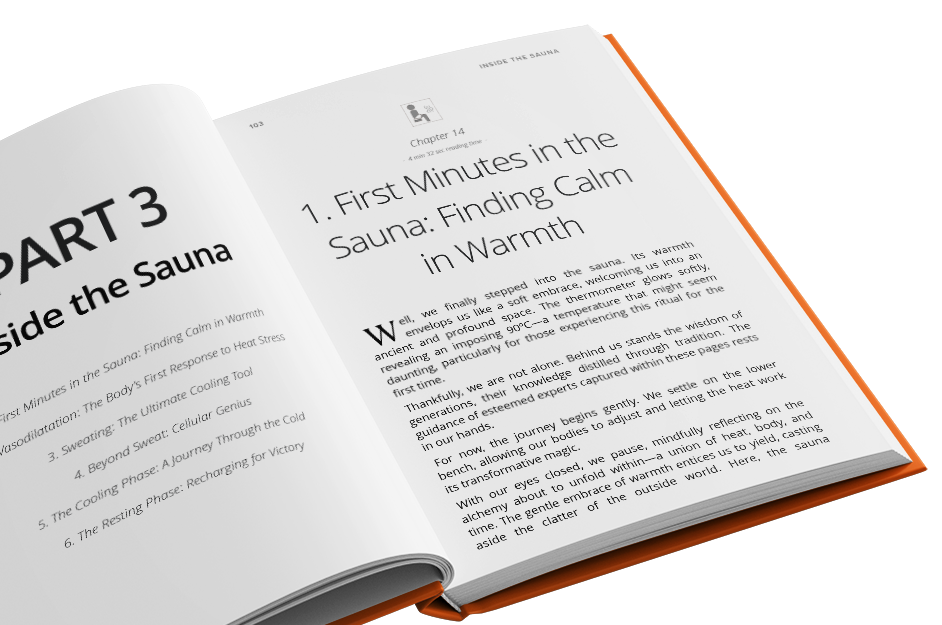
1. First Minutes in the Sauna: Finding Calm in Warmth
- 4 min 33 sec reading time -
Well, we finally stepped into the sauna. Its warmth envelops us like a soft embrace, welcoming us into an ancient and profound space. The thermometer glows softly, revealing an imposing 90ºC—a temperature that might seem daunting, particularly for those experiencing this ritual for the first time.
Thankfully, we are not alone. Behind us stands the wisdom of generations, their knowledge distilled through tradition. The guidance of esteemed experts captured within these pages rests in our hands.
For now, the journey begins gently. We settle on the lower bench, allowing our bodies to adjust and letting the heat work its transformative magic.
With our eyes closed, we pause, mindfully reflecting on the alchemy about to unfold within—a union of heat, body, and time. The gentle embrace of warmth entices us to yield, casting aside the clatter of the outside world. Here, the sauna transforms from merely a room into a gateway to renewal, a sanctuary where transformation begins.
Stripped of external distractions, the space offers more than physical transformation—it becomes an arena for introspection, a moment to confront the self. The rising heat softens the edges of tension, the rhythm of our breath becomes a metronome for the mind, and the passage of time slows, revealing its true essence: a series of present moments, each waiting to be fully lived.
Within these walls, the essence of being is rediscovered—not in striving or doing, but in simply existing. As sweat traces its path across our skin, it carries away more than just impurities; it releases burdens, unveiling clarity. In this alchemical ritual, the sauna evolves from a mere construct of wood and heat into a profound teacher of mindfulness and renewal.
We gradually recall what we've learnt, grounding ourselves in the science behind the sensation. The stove, a marvel of simplicity and purpose, warms the surrounding air, energising its molecules. These lively particles collide with our skin, transferring their energy and accelerating the molecular activity within us. Gradually, our body temperature begins to rise.
Yet this rise is not left unchecked. It triggers oxidative stress—a call to action for the body's adaptive mechanisms. These innate systems spring into motion, maintaining balance and ensuring our core temperature remains within safe, life-sustaining limits.
But how do these intricate processes unfold? Let us delve deeper into the fascinating interplay that makes this transformation possible.
Activating the magic of biology
Heat, understood scientifically as rapidly moving molecules in the atmosphere, collides with the surface of our skin. Specialised sensory cells embedded within this complex organ act as thermal sensors. When exposed to the collision of heat molecules or a temperature rise, they undergo a conformational change—a precise shift in their shape. This structural transformation triggers an electrical signal, a coded message sent through the nervous system and spinal cord to specific brain regions.
The ever-vigilant brain analyses this input and consults the hypothalamus, the body's command centre for temperature regulation. The hypothalamus evaluates the situation and activates behavioural thermoregulation as its first line of defence. A message is promptly sent to your conscious mind urging you to retreat to safety—an instinctive warning that the surrounding environment is dangerously hot.
The Newcomer's Struggle
This initial response manifests as discomfort for those stepping into a sauna for the first time. A restlessness takes hold, accompanied by thoughts questioning the experience: Why am I here? Do I need this?
This reaction mirrors the struggles of a beginner runner, encountering the initial resistance of an unconditioned body. However, those familiar with the sauna's transformative potential understand this is merely the body's "welcome," a defensive reaction to the unfamiliar.
Choosing to Persist
Recognising the process for what it is—a gateway to more profound responses—you choose to stay. In this decision lies the essence of the sauna experience: the conscious overcoming of initial resistance to allow the unfolding of its profound benefits. By persisting, you invite the following stages of transformation, both biological and mental, as your body adapts to the heat and begins its journey toward renewal.
A Dance Between Biology and Philosophy
A dance between biology and philosophy begins as you sit amidst the rising heat. Your body begins to adapt. The hypothalamus recalibrates, shifting from urgent warnings to a more measured response. This adaptation is not just biological; it mirrors a philosophical truth: resistance gives way to transformation. The initial discomfort is a metaphor for life's challenges—those moments when our instincts scream retreat, but persistence reveals growth.
The Heat as a Teacher
Heat, with its molecular dance, becomes a teacher. It forces you to stay present, to confront the essence of existence stripped of distractions. What is heat, after all, but a transfer of energy? And what is life, if not a constant interplay of energy between ourselves and the world, between the past and the present?
Enduring the sauna's heat reminds you of the Stoic principle of 'amor fati': a love of one's fate, even when it burns. By embracing discomfort, you embody resilience, allowing the process to refine rather than overwhelm you.
The Paradox of Vulnerability and Strength
As the sweat flows and your body reveals its fragility in the sauna, you also experience a paradoxical sense of strength. Vulnerability becomes the foundation for renewal. The heat demands surrender; in that surrender, you reclaim control—not by fighting but by adapting, by being.
This interplay evokes existentialist reflections on what it means to exist at the moment. How does the interplay of body and environment shape our perception of self? The sauna becomes a space where the boundaries of self blur—heat envelops you, time slows, and you are reminded that your existence is not separate from the world but deeply entwined.
The Essence of Renewal
When you persist and breathe through the discomfort, you unlock the more profound benefits of the sauna experience—not just the physiological enhancement but a renewal of spirit—a reminder of your capacity to endure, adapt, and transform.
This transformation is more than biological. It is a return to what philosophers have long sought: the essence of being. In the sauna, you confront the raw truth of existence—a process of becoming shaped by the interplay of resistance, surrender, and renewal.
Adapting to Heat: From Discomfort to Curiosity
With regular exercise or repeated sauna use, the initial discomfort dissipates. Recognising this sensation as merely part of the body's cooling process, we approach it with calm curiosity rather than agitation. Relaxed, we wonder: How long will it take before we start sweating? What's happening inside us right now?
As the hypothalamus realises that its initial "behavioural" warning to retreat has been ignored, it has no choice but to escalate its efforts. Messages are sent to subordinate systems, signalling that it's time to activate the next level of thermoregulation.
PART 4
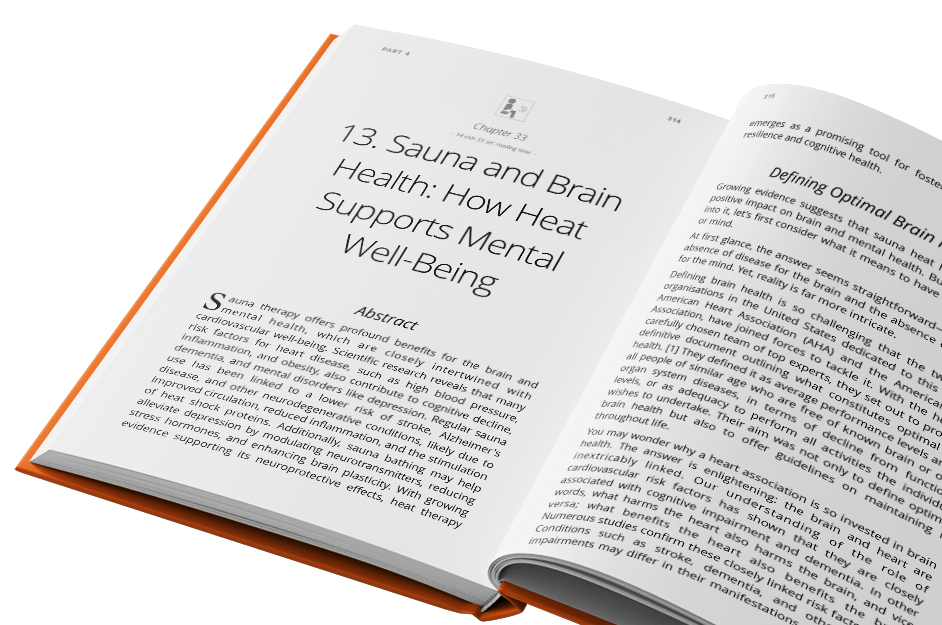
13. Sauna and Brain Health: How Heat Supports Mental Well-Being
- 15 min 19 sec reading time -
Abstract
Sauna therapy offers profound benefits for the brain and mental health, which are closely intertwined with cardiovascular well-being. Scientific research reveals that many risk factors for heart disease, such as high blood pressure, inflammation, and obesity, also contribute to cognitive decline, dementia, and mental disorders like depression. Regular sauna use has been linked to a lower risk of stroke, Alzheimer's disease, and other neurodegenerative conditions, likely due to improved circulation, reduced inflammation, and the stimulation of heat shock proteins. Additionally, sauna bathing may help alleviate depression by modulating neurotransmitters, reducing stress hormones, and enhancing brain plasticity. With growing evidence supporting its neuroprotective effects, heat therapy emerges as a promising tool for fostering long-term mental resilience and cognitive health.
Defining Optimal Brain Health
Growing evidence suggests that sauna heat has a profoundly positive impact on brain and mental health. But before delving into it, let's first consider what it means to have a healthy brain or mind.
At first glance, the answer seems straightforward—perhaps the absence of disease for the brain and the absence of ignorance for the mind. Yet, reality is far more intricate.
Defining brain health is so challenging that the two leading organisations in the United States dedicated to this field, the American Heart Association (AHA) and the American Stroke Association, have joined forces to tackle it. With the help of a carefully chosen team of top experts, they set out to produce a definitive document outlining what constitutes optimal brain health. [1] They defined it as average performance levels among all people of similar age who are free of known brain or other organ system diseases, in terms of decline from functional levels, or as adequacy to perform all activities the individual wishes to undertake. Their aim was not only to define optimal brain health but also to offer guidelines on maintaining it throughout life.
You may wonder why a heart association is so invested in brain health. The answer is enlightening: the brain and heart are inextricably linked. Our understanding of the role of cardiovascular risk factors has shown that they are closely associated with cognitive impairment and dementia. In other words, what harms the heart also harms the brain, and vice versa; what benefits the heart also benefits the brain. Numerous studies confirm these closely linked risk factors. [2-6] Conditions such as stroke, dementia, and other cognitive impairments may differ in their manifestations and prognoses. Yet, they share a common enemy: cardiovascular risk factors like blood sugar levels, serum cholesterol, blood pressure, body mass index (BMI), physical activity, diet, and smoking habits. Beyond these shared risk factors, cardiovascular and brain diseases follow common physiological pathways, including inflammation and oxidative stress. [7] Experts even point to direct links between cardiovascular disease and declining cognitive function. [8]
Social Implications of Brain Disorders
It is vital to point out that the implications of brain disorders extend far beyond individual suffering. The emotional, financial, and societal toll affects patients, their families, communities, and economies. To grasp the magnitude of this crisis, consider that in 2010 alone, the estimated cost of brain disorders in Europe reached a staggering 798 billion euros—a number that has only continued to rise. [9] A healthy brain is, therefore, not just a matter of personal well-being but a crucial foundation for a longer, fuller, and more independent life. It enables critical thinking, planned action, and deep emotional connections, all shaping the daily experiences and progress of individuals, families, and entire societies.
And what about mental health? Defining it universally across cultures is equally challenging. George E. Vaillant, an American psychiatrist and professor at Harvard Medical School, proposed seven distinct models of positive mental health. [10] These include a Global Assessment of Functioning (GAF) score above 80, multiple human strengths, maturity, positive emotions, socioemotional intelligence, subjective well-being, and resilience to stress.
Mental well-being is also closely tied to cardiovascular health. [11] The long-held notion that mental disorders are purely the result of defects in neurons and their connections is gradually giving way to a more nuanced understanding. Studies now point to vascular pathologies and disruptions in blood flow as key contributors to conditions such as schizophrenia, autism spectrum disorders (ASD), anxiety, and depression.
The societal burden of mental health disorders is equally significant. The 2007 Lancet Commission not only assessed the weight of this challenge but also predicted a rapid rise in the number of individuals affected by mental health conditions. [12] The statistics are staggering: nearly one in four people worldwide will experience some form of mental disorder in their lifetime. [13] It's an almost unfathomable figure, yet given the state of global affairs and daily news headlines, it feels both understandable and deeply concerning.
To conclude this sombre realisation, let us remember that the connection between brain health, mental well-being and cardiovascular health is indisputable. Understanding and nurturing this relationship is not merely a matter of science; it is a vital step towards a healthier, more resilient future for us all. Naturally, our common thread here is the sauna. This leads us to an important question: What role does the sauna play in supporting brain health and mental well-being? Or better yet,...
Could Heat Therapy Provide Practical and Effective Assistance for Brain and Mental Health?
In previous discussions, we explored how saunas positively influence key risk factors for cardiovascular health. They have been shown to lower blood pressure and serum cholesterol, reduce inflammation, enhance insulin sensitivity, and improve body mass index (BMI). Beyond these benefits, saunas mimic the effects of physical activity, promote relaxation, and support better sleep. Additionally, they enhance blood circulation, increase oxygen availability, and stimulate the production of heat shock proteins. In short, a sauna is beneficial for the heart.
Now, let us shift our focus to the brain and mental health. The same risk factors contributing to heart disease are also closely linked to cognitive and psychological well-being. This prompts an intriguing question: If saunas benefit the cardiovascular system, could they also support brain and mental health? Scientific evidence suggests that they might. Let us explore this subject by reviewing findings related to these same questions.
Sauna Bathing and Stroke
A stroke can strike at any moment. It is the second leading cause of death globally and the primary cause of disability in adults. Each year, approximately 13.6 million people worldwide experience a stroke, and tragically, more than a third—about 5.5 million—do not survive. [14] Those, however, who do survive often face significant challenges, with varying degrees of disability that can be temporary or permanent. There are two main types of stroke. The more common ischemic stroke accounts for roughly 90% of all cases. [15] It occurs when blood flow to a part of the brain is reduced or completely blocked, often due to atherosclerosis—a condition typically associated with heart disease but one that affects the entire vascular system, including the brain. When a blood vessel becomes blocked, oxygen and nutrients cannot reach the affected brain tissue. If the blockage persists, brain cells begin to die. [16] Sometimes, these blockages are brief and go unnoticed, yet they still cause small amounts of brain damage. Over time, these so-called silent strokes accumulate, leading to cognitive decline and, ultimately, dementia. [17] The second type of stroke, hemorrhagic stroke, results from bleeding in the brain. [18] This can occur when a weakened blood vessel ruptures, causing blood to pool and exert pressure on the surrounding tissue, potentially leading to severe brain damage, coma, or death. Even in less severe cases, survivors may experience paralysis, numbness, or difficulties with speech and mobility.
Although immediate medical intervention can reduce the risk of death and long-term disability, the most effective approach to stroke is prevention. While one cannot alter certain risk factors such as age, race, and genetic predisposition, others, such as obesity, high blood pressure, high cholesterol, irregular heartbeat, diabetes, smoking, and excessive alcohol consumption, can be managed. [19] Maintaining a healthy diet and engaging in regular physical activity are well-established ways to reduce stroke risk. But what about sauna bathing?
In 2018, the Journal of the American Academy of Neurology published an article titled "Sauna Bathing Reduces the Risk of Stroke in Finnish Men and Women". [20] This international study followed 1,628 middle-aged and older individuals, aged 53 to 74, from eastern Finland over a period of 15 years. Researchers tracked their sauna habits and documented stroke occurrences through annual assessments. Participants were divided into three groups: those who used the sauna once a week, those who did so two to three times a week, and those who enjoyed sauna bathing four to seven times per week. The findings were striking—individuals who used the sauna four or more times a week had a 60% lower risk of stroke compared to those who used it just once a week. Even those in the intermediate group, who visited the sauna two to three times weekly, experienced a 14% reduction in stroke risk.
Interestingly, when asked why they did not include a group of non-sauna users for comparison, lead researcher Jari Laukkanen explained that so few people in Finland abstain from sauna bathing that any data from such a small group would be unreliable. While this is the first study to directly correlate sauna frequency with stroke risk (to my knowledge), and further research would be valuable to confirm these findings, the results strongly suggest that sauna use plays a protective role. Given the well-documented cardiovascular benefits of sauna bathing, this is hardly surprising. However, what may be even more intriguing is the sauna's potential to positively influence other brain-related conditions, including dementia and Alzheimer's disease.
Sauna Bathing and Dementia / Alzheimer's Disease
"Sauna bathing is inversely associated with dementia and Alzheimer's disease in middle-aged Finnish men," declared an article published in December 2016 in the journal Age and Ageing. [21] This study explored the link between sauna use and the risk of neurodegenerative diseases. Conducted over two decades as part of the 'Kuopio Ischemic Heart Disease' (KIHD) study, the research followed 2,315 seemingly healthy men aged 42 to 60 years. Participants were categorised into three groups based on their sauna habits: those who used the sauna 4–7 times a week, those who used it 2–3 times a week, and those who used it only once a week. The findings were remarkable—an inverse relationship was observed between sauna frequency and the risk of both dementia and Alzheimer's disease. The more frequently the sauna is used, the lower the likelihood of developing these debilitating conditions. Specifically, among those who used a sauna 4–7 times per week, the risk of any form of dementia dropped by 66%, and the risk of Alzheimer's disease decreased by 65% compared to those who only used a sauna once per week.
Does this indicate that dementia and Alzheimer's disease share a connection with cardiovascular risk factors? Without a doubt. Alzheimer's disease, the most common form of dementia [22], affects between 40 and 50 million people worldwide. [23] It is primarily characterised by the loss of protein homeostasis in brain cells and the accumulation of amyloid plaques and neurofibrillary tangles, which result in memory impairment. [24] However, increasing evidence suggests that atherosclerosis of the brain's blood vessels also plays a significant role in the disease. [25] Experts have noted that individuals with Alzheimer's disease tend to exhibit more frequent and severe atherosclerosis in the cerebral blood vessels compared to those experiencing normal ageing or other neurodegenerative diseases. This link appears to be unique to Alzheimer's disease and does not extend to other common neurodegenerative conditions. [26]
A perplexing question remains: why do some individuals develop the hallmark plaques and tangles of Alzheimer's disease but never exhibit cognitive decline? It seems that these pathological changes can exist in the brain without leading to symptoms if there is no accompanying vascular dysfunction. Another ongoing debate is whether vascular problems precede the disease's pathological process or arise as a consequence of it. [27,28] Many experts argue that controlling cardiovascular risk factors is the most effective way to preserve brain health, even advocating for Alzheimer's disease to be reclassified as a vascular disorder. [29]
Given the sauna's well-documented benefits for cardiovascular health, its role in supporting brain function is hardly surprising. Beyond its impact on the cardiovascular system, saunas also promote the production of heat shock proteins, which are essential for maintaining protein balance within cells. [30] Since the loss of protein homeostasis is a critical feature of Alzheimer's disease, researchers are exploring novel therapeutic strategies centred on stimulating heat shock protein production to combat the neurodegenerative decline. [31] Some even consider developing vaccines based on heat shock proteins. [32] While it remains uncertain whether such therapies will prove effective, one fact is indisputable: heat exposure, whether through hyperthermia, exercise, or sauna bathing, significantly increases the production of these protective proteins. [33]
Furthermore, sauna bathing has been shown to reduce inflammation, a major contributor to brain diseases, including Alzheimer's. Inflammation exacerbates neuronal damage and accelerates cognitive decline. [34] This raises an obvious question—could sauna therapy be an effective treatment for Alzheimer's and even Parkinson's disease? Researchers from Queensland University of Technology in Australia and Brunel University London sought to investigate this very question. [35] In a paper published in January 2020, they reviewed the scientific literature and found no direct clinical evidence confirming sauna therapy as a treatment for Alzheimer's or Parkinson's disease. However, they highlighted epidemiological studies that support the notion and a wealth of indirect evidence suggesting that warming the body through exercise or sauna use can improve neurological health.
One pervasive study published ten months later reinforced this perspective. [36] Finnish researchers conducted a large-scale prospective cohort study involving 13,994 men and women aged 30 to 69 years, none of whom had been diagnosed with dementia at the start of the study. Over a 39-year follow-up period, 1,805 participants were diagnosed with dementia. The study revealed a significant reduction in dementia risk among individuals who engaged in sauna bathing 9–12 times per month compared to those who bathed less frequently or not at all. These findings align with the hypothesis that sauna bathing may serve as a protective factor against dementia. While further studies are needed to confirm these benefits, the evidence suggests that regular sauna use may be a powerful tool in safeguarding long-term brain health.
Sauna and Depression
Depression is a shadow that looms over more than 264 million people worldwide, affecting individuals of all ages and walks of life. According to the World Health Organisation (WHO), it is the leading cause of disability and a heavy burden on both financial and social systems. [37] While we have all felt the weight of sadness or an absence of joy at times, true clinical depression is a different beast altogether—one that cannot be fully understood without firsthand experience. Feeling "down" now and then is part of life, a catalyst for growth and wisdom. But when despair lingers, when motivation fades, and when decision-making becomes an insurmountable task, depression reveals itself as a relentless adversary. It takes away joy, cripples confidence, fuels guilt and irritability and makes social interactions seem unbearable. Left unchecked, it can even lead to suicide, the third most common cause of death among young people aged 15 to 29. [38] The very term "depression" originates from the Latin "deprimere"—to press down—a fitting description of its suffocating grip.
Having never personally battled clinical depression (knocking on wood three times as I say this), I immersed myself in research to comprehend its depths. I thought this might enhance my understanding of sauna therapy's potential role in alleviating its symptoms. Among the numerous perspectives I encountered, one particularly compelling definition came from Professor Robert Sapolsky of Stanford University. He described depression as a "biochemical disorder with a genetic component and the influence of early experiences, in which a person does not know how to appreciate sunsets." He seems to have encapsulated the complexity of this enigmatic condition in a single sentence.
Throughout history, humanity's understanding of depression has evolved significantly. Nancy Schimelpfening, in her article on the history of depression [39], explains how ancient Mesopotamians saw it as a spiritual affliction caused by demonic possession, a belief shared by other early civilisations such as the Greeks, Romans, Babylonians, Chinese, and Egyptians. [40] The remedies? Exorcisms, starvation, beatings—harsh and often cruel methods meant to drive out the so-called demons. Thankfully, Greek and Roman physicians had a more enlightened approach, advocating for treatments like exercise, massage, diet, music, baths, and medicinal herbs. [41] Yet, in the Middle Ages, Christianity's influence revived the notion of mental illness as the work of the devil, leading to inhumane treatments. It wasn't until the Age of Enlightenment in the 18th and 19th centuries that depression began to be understood as an inherited temperament flaw—unfortunately, leading to stigma and isolation rather than solutions. By the 20th century, theories on depression diversified, with Sigmund Freud framing it as a response to loss, while behaviourists suggested it was learned, and cognitive theorists pointed to negative thought patterns as the culprit. [42-44]
With modern medicine recognising that depression is not just a disorder of the brain but a systemic disease affecting the entire body, treatment approaches have expanded. Antidepressants targeting neural pathways have had mixed success, sometimes bringing unwelcome side effects. [45] Emerging research points to biological factors such as inflammation [46], cardiovascular health [47], microbiota balance [48], hormonal imbalances [49], and stress-related changes in the autonomic nervous system [50] as contributors to depression.
Science is starting to recognise the blurring of boundaries between physical and mental health. Treatment for depression increasingly incorporates approaches that heal the body alongside the mind. Anti-inflammatory drugs have shown promise, as has meditation, which alleviates chronic inflammation. [51,52] And among the most intriguing possibilities is whole-body hyperthermia—raising body temperature, as naturally occurs in a sauna.
Though ancient cultures intuitively used heat for mental well-being, modern science is only now catching up. Dr. Charles Raison, an American psychiatrist and author of The New Mind-Body Science of Depression, has been instrumental in exploring hyperthermia's effects. Research suggests that depression is linked to elevated body temperature, inflammation, and impaired thermoregulation, making heat therapy an intriguing avenue. [53] Raison and his team conducted experiments [54] that demonstrated how whole-body hyperthermia produces rapid and lasting relief from depression. Further, a six-week, randomised, double-masked study [55] confirmed that patients who received whole-body heating therapy showed marked improvement compared to those who received a placebo.
Beyond individual studies, large-scale population research from Finland adds weight to the argument. In a 25-year study involving over 2,000 men, those who used the sauna four to seven times a week had a staggering 77% lower risk of developing psychotic disorders compared to once-a-week users [56]. The evidence is compelling, yet the scientific community remains cautious. A 2019 review by Janssen and Hanusch [57] concluded that while hyperthermia appears promising, more studies are needed before it can be formally recommended as a clinical treatment.
Still, with conventional treatments often falling short, why wait? Sauna therapy is simple, accessible, and carries minimal risk. Notably, sauna use significantly boosts noradrenaline levels [58,59], a neurotransmitter crucial to emotional stability and a key target for antidepressant drugs. [60] It also promotes the release of prolactin, which is vital for neural connectivity. [61] It reduces cortisol, a hormone that, when chronically elevated, can harm memory-related brain structures, such as the hippocampus. [62] Perhaps most strikingly, research indicates that sauna heat stress enhances the expression of brain-derived neurotrophic factor (BDNF) more effectively than exercise alone. [63] Since BDNF is crucial for neuron growth and function, its role in combating depression cannot be overstated. [64]
The benefits of saunas do not end there. Studies have linked sauna use to improved creativity and problem-solving abilities [65], restoration of appetite in mildly depressed patients [66], and even a reduction in depression among cancer patients. [67] With each new study, the conclusion grows stronger: more sauna, less depression. The time has come to embrace an ancient remedy supported by modern science and harness the power of heat to reclaim mental well-being.
Relieving Chronic Tension Headaches with Sauna Therapy
Tension headaches, often dismissed as everyday discomfort, are the most common type, affecting up to 4% of the general population. Women, in particular, experience them more frequently, accounting for up to 65% of cases. [68] The persistent nature of these headaches makes them a frustrating burden, and while a variety of medications exist, their efficacy remains limited. As a result, many seek alternative methods—some turn to coffee enemas, which, while rarely used, are said to be highly effective anecdotally but lack scientific proof. [69] However, a more reliable and scientifically supported remedy comes from the use of saunas. Experts from Southern Cross Hospital, Wellington, New Zealand, conducted a randomised controlled study that confirmed regular sauna bathing significantly alleviates headache pain in individuals suffering from chronic tension headaches. In their findings, they described sauna bathing as a simple yet effective self-treatment with tangible benefits. [70]
Sauna Therapy for Patients with Severe Motor and Mental Disorders
Beyond headaches, saunas offer another unexpected benefit, particularly for individuals with severe motor and mental disorders. Many patients with neurological conditions such as cerebral palsy experience reduced cardiac output and low heart rate variability. [71] Their limited mobility, often compounded by extended periods in wheelchairs, results in poor muscle activity and compromised blood circulation, leading to persistently cold hands and feet. [72]. Japanese researchers sought to explore whether sauna therapy could provide relief for these patients. [73] Their comparative study, conducted before and after a single sauna session, revealed striking improvements. Patients' core body temperature increased by 1 degree Celsius, a significant and beneficial change. Heart rates increased while blood pressure saw a slight decrease. More importantly, indicators of peripheral blood circulation—such as skin blood flow, blood flow velocity, pulsatile index, and resistance index—showed remarkable improvement. The study also noted a decrease in numbness and chronic pain in the extremities, all without any adverse side effects. These findings suggest that sauna therapy can play a crucial role in enhancing circulation and overall well-being in individuals with cerebral palsy.
A Takeaway Message: The Sauna's Impact on Brain and Mental Health
While modern science has yet to uncover all the causes behind brain and mental disorders, it is widely acknowledged that the risk factors for cardiovascular diseases overlap significantly with those for brain and mental health issues. Sauna use has been shown to counteract some of these risk factors. Furthermore, both cardiovascular and neurological conditions share underlying biological stressors such as oxidative stress and systemic inflammation, factors that regular sauna use has been proven to mitigate. While more targeted research would further substantiate these findings, existing evidence, both direct and indirect, strongly supports the notion that sauna therapy exerts a beneficial impact on brain and mental health. This notion is not a myth but an emerging fact rooted in growing scientific understanding.
PART 5

If you want to gain this knowledge, you can grab it on Amazon.
Would you like to offer this knowledge to your staff, or perhaps share it with your guests?
Feel free to reach out anytime.


About the Author
Alex believes in progress and understands that no one can build a bridge over a vast, turbulent river alone—it takes collaboration. Genuine cooperation thrives only in the absence of fear, jealousy, and anger. The strongest partnerships are built on mutual respect and understanding, making us unstoppable when we work together.
He rejects violence and domination, seeing them as barriers to progress. He holds that humans are fundamentally good yet often shaped by a corrupting environment. As Gabor Maté points out, a toxic environment can poison both body and mind. Since our thoughts arise from the body, a thriving mind depends on a healthy body. Alex is living proof that beyond a balanced diet and regular exercise, sauna use is one of the most powerful tools for well-being.
He shares with the world that sauna bathing detoxifies the mind and strengthens society. It is a means of leaving the world better than we found it.

